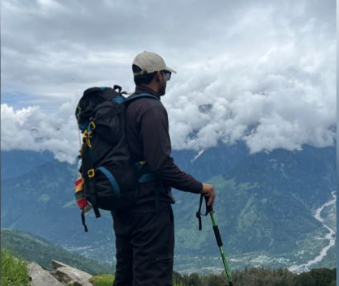

⚡ Spiti Valley Expedition Intel
- Location: High-altitude cold desert trans-Himalayan plateau, Lahaul & Spiti district, Himachal Pradesh.
- Average Altitude: 3,800 to 4,500 meters (12,500 to 14,800 feet).
- Classic Circuit: The Grand Loop (Shimla → Kinnaur → Kaza → Kunzum Pass → Chandratal → Manali).
- Optimal Season: June to September (passes open, roads free of deep snowdrifts).
- Key Highlights: Key Monastery, Tabo (UNESCO candidate), Dhankar cliffside gompa, Langza fossils, and Chandratal (Moon Lake).
Translated literally, Spiti signifies "The Middle Land"—the high-altitude geopolitical and cultural bridge separating India from Tibet. Surrounded by jagged granite peaks soaring over 6,000 meters, carved by the roaring glacial torrent of the Spiti River, and inhabited by a resilient Buddhist populace practicing ancient Tibetan traditions, Spiti is a landscape of raw, stark, otherworldly beauty.
Here, whitewashed Tibetan monasteries cling to vertical mud pinnacles, marine fossils from the prehistoric Tethys Sea lie scattered across mountain meadows at 14,000 feet, and midnight skies reveal the Milky Way in blinding clarity. Yet, Spiti is not a casual holiday destination. It is an extreme cold desert where oxygen levels hover at 60% of sea level, road infrastructure is carved into sheer cliff walls, and winter temperatures plunge below -30°C. Having led alpine photographic expeditions through the valley across all seasons, we share this definitive expedition manual for exploring Spiti safely.
The Route Dilemma: The Full Circuit vs. The Manali Shortcut
To experience Spiti safely and comprehend its dramatic geological transitions, always undertake the Full Circuit starting from Shimla and exiting via Manali.
Why You Must Enter via Shimla (The Gradual Ascent)
- Altitude Progression: Starting from Shimla (2,076m), you traverse Kinnaur through Sarahan (2,165m), Sangla (2,680m), Kalpa (2,960m), and Nako (3,662m) over four full days before entering the administrative hub of Kaza (3,800m).
- Zero AMS Risk: This gradual 100-hour climb allows your cardiovascular system to acclimatize naturally, completely eliminating the debilitating altitude sickness that ruins vacations.
The Manali Shortcut Hazard
Entering Spiti directly from Manali via the Atal Tunnel and Kunzum Pass ascends you from 2,050 meters to over 4,550 meters in just 5 hours! This rapid ascent induces severe Acute Mountain Sickness (headaches, nausea, vomiting) in over 70% of travelers. Reserve the Manali-Kunzum highway exclusively for your exit at the end of the journey.
10-Day Spiti Master Circuit Itinerary
| Day | Route Segment | Night Altitude | Key Historical & Landscape Highlights |
|---|---|---|---|
| Day 1 | Shimla to Sarahan | 2,165m | Bhimakali Temple (800-year-old wooden pagoda) |
| Day 2 | Sarahan to Sangla & Chitkul | 3,450m | Baspa River valley, last village near Indo-Tibet border |
| Day 3 | Sangla to Kalpa | 2,960m | Suicide Point, sacred Kinner Kailash peak panorama |
| Day 4 | Kalpa to Nako & Tabo | 3,280m | Nako Lake, 500-year-old Gue Mummy, Tabo Monastery (996 AD) |
| Day 5 | Tabo to Dhankar & Kaza | 3,800m | Dhankar cliffside monastery, Pin Valley National Park |
| Day 6 | Kaza Highland Villages | 4,400m | Key Gompa, Kibber, Chicham Bridge (Asia’s highest bridge) |
| Day 7 | Kaza Fossil & High Post Circuit | 4,440m | Hikkim (World's Highest Post Office), Komic, Langza Buddha |
| Day 8 | Kaza to Chandratal Lake | 4,250m | Kunzum Pass (4,551m) stupas, sunset at Moon Lake |
| Day 9 | Chandratal to Manali | 2,050m | Batal, Chhatru river crossings, Atal Tunnel exit |
| Day 10 | Buffer Day in Manali | - | Celebration in Old Manali cafes, hot springs |
Must-Visit Cultural & Architectural Treasures
1. Key Gompa (Ki Monastery)
Perched atop a conical hill at 4,166 meters overlooking the Spiti River, Key Gompa is the largest and oldest monastery in the valley, founded in the 11th century. Resembling a multi-tiered fortress, it houses over 300 monks of the Gelugpa (Yellow Hat) sect. Enter the dimly lit assembly hall adorned with ancient thangkas, manuscripts, and wind instruments, and accept a steaming cup of salted butter tea offered by resident lamas.
2. Tabo Monastery: The Ajanta of the Himalayas
Founded in 996 AD by the legendary translator Rinchen Zangpo, Tabo is a UNESCO World Heritage candidate celebrating over a millennium of uninterrupted Buddhist worship. Unlike hilltop gompas, Tabo's mud-brick monastery sits on the valley floor. Inside the pitch-black sanctum of the gTsug Lha-khang (Temple of the Enlightened Gods), remarkable 10th-century stucco clay statues of Bodhisattvas and radiant wall frescoes remain preserved in the dry desert air.
3. Hikkim: The World's Highest Post Office
Situated at 4,440 meters (14,567 feet), the tiny stone post office in Hikkim has operated continuously since 1983. Purchase handcrafted postcards in Kaza, write letters to loved ones, and hand them to the venerable postmaster to receive the iconic circular high-altitude ink cancellation stamp.
Chandratal (The Moon Lake): High-Altitude Camping
Resting at an altitude of 4,250 meters in the Samudra Tapu plateau, the crescent-shaped Chandratal is fed directly by glacial snowmelt. The lake's waters transition magically throughout the day from crystal turquoise to deep cobalt, dark sapphire, and golden amber.
High-Altitude Survival Essentials
- Vehicle Selection: High ground clearance is essential. The 65-kilometer stretch between Gramphu, Batal, and Kunzum Pass is an unpaved riverbed composed of loose boulders and rushing glacial streams (pagal nalas). 4x4 SUVs (Mahindra Thar, Scorpio, Toyota Fortuner) or sturdy adventure bikes are strongly recommended.
- Hydration & Nutrition: Dry desert air dehydrates lungs rapidly. Drink 4 to 5 liters of warm water and electrolyte fluids daily. Feast on nourishing local pahadi fare: steaming bowls of Thukpa (noodle soup), steamed Tibetan Momos, and roasted barley flour (Tsampa).
- Cash is King: ATMs in Kaza frequently run out of cash or lose satellite connectivity during power outages. Withdraw sufficient cash (₹15,000 to ₹20,000) in Shimla or Rampur before entering Kinnaur.
Planning your motorcycle ride through Spiti? Make sure to cross-reference our tactical packing list in the Leh Ladakh Bike Trip Blueprint.


