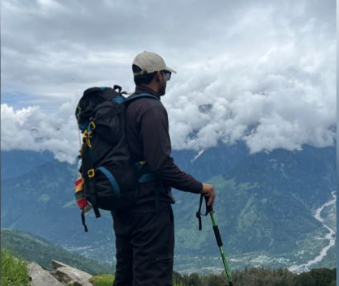

⚡ Munnar Highland Overview
- Location: Idukki district, Western Ghats, Kerala (Altitude: 1,600m – 2,695m).
- Meaning: "Three Rivers" — situated at the confluence of the Mudhirapuzha, Nallathanni, and Kundaly rivers.
- Flagship Park: Eravikulam National Park, home to the largest wild population of the endangered Nilgiri Tahr.
- Botanical Wonder: The rare Neelakurinji flower (Strobilanthes kunthiana), which blooms once every 12 years.
- Best Season: September to March (clear cool skies, green plantations, crisp breezes).
Perched high in the mist-shrouded Western Ghats of Kerala at an elevation of 1,600 meters (5,250 feet), Munnar was established in the late 19th century as the summer retreat of the British administrative government in South India. Today, it is universally celebrated as the tea capital of South India—an endless, rolling landscape of manicured emerald tea bushes blanketing rolling hillsides as far as the eye can see, punctuated by cascading waterfalls, silver oak windbreaks, and cool mountain breezes.
Adjoining the tea estates lies the protected wilderness of Eravikulam National Park, a high-altitude shola-grassland sanctuary dominated by South India’s highest peak, Anamudi (2,695 meters / 8,842 feet). Whether you are an avid wildlife enthusiast seeking the rare Nilgiri Tahr, an active hiker, or a traveler wanting to understand the intricate history of orthodox tea processing, this complete guide provides all the practical field intel you need.
Eravikulam National Park: Home of the Nilgiri Tahr
Spanning 97 square kilometers of undulating high-altitude montane shola grasslands, Eravikulam was declared a sanctuary in 1975 and a National Park in 1978 to rescue the Nilgiri Tahr (Nilgiritragus hylocrius)—an endangered mountain ungulate endemic to the southern Western Ghats—from the brink of extinction. Today, Eravikulam protects over 800 Tahrs, representing the largest surviving wild population on Earth.
The Visitor Experience at Rajamalai
Tourism in Eravikulam is strictly regulated and confined to the Rajamalai Zone to prevent human encroachment into core breeding territories:
- Forest Department Safari Buses: Private vehicles are not allowed into the park. Visitors board state forest eco-buses from the Fifth Mile ticket lounge, embarking on a breathtaking 20-minute winding mountain drive up the cliffs.
- The 1.5-Kilometer Paved Trail: From the bus drop-off point at Rajamalai, visitors walk along a gentle, paved 1.5-kilometer path ascending through shola meadows. Because Nilgiri Tahrs in Rajamalai have been habituated to respectful human presence for decades, you will frequently see them grazing peacefully just feet from the walking trail, offering phenomenal close-up wildlife photography.
- Viewing Anamudi Peak: The trail provides front-row vistas of the colossal granite dome of Anamudi ("Elephant’s Forehead"), soaring to 2,695 meters. Note: Hiking to the actual summit of Anamudi is prohibited to safeguard fragile alpine ecology.
The World-Famous Neelakurinji Phenomenon
Every twelve years, the hills of Munnar and Eravikulam undergo one of the most mesmerizing botanical events on Earth: the mass gregarious blooming of the Neelakurinji (Strobilanthes kunthiana). When this shrub blooms, the entire mountain landscape transforms into an undulating sea of purplish-blue blossoms. The last major bloom occurred in 2018; the next synchronized blooming is projected for 2030.
Exploring the Historic Tea Estates & KDHP Tea Museum
Munnar’s tea industry was pioneered in the late 1870s by British planters John Daniel Munro and A.H. Sharp, later consolidated under James Finlay & Co. and today managed by the employee-owned Kanan Devan Hills Plantations Company (KDHP) and Tata Tea.
1. KDHP Tea Museum at Nallathanni Estate
Located just 2 kilometers from Munnar town, this museum provides an extraordinary window into the region’s plantation history. Highlights include:
- The original 1905 manual tea roller and the historic "Pelton Wheel" turbine that generated early hydroelectric power.
- A live demonstration unit showcasing withering, crushing, fermenting, and drying stages of modern black and green tea processing.
- A professional tea tasting room where experts demonstrate how to evaluate tea clarity, briskness, and aroma.
3. Lockhart Tea Factory & Chithirapuram Heritage
Constructed in 1879, Lockhart is one of the oldest working tea factories in the valley. Located 9 km from Munnar along the Thekkady road, Lockhart maintains traditional orthodox hand-crafted methods. Visitors can walk through the historic wooden loft withering troughs and sample rare single-estate clonal silver needle white teas.
Spice Garden Tours: Cardamom, Black Gold & Vanilla
Because the lower slopes of the Western Ghats transition into the historic Spice Hills of Kerala, a family trip to Munnar is incomplete without touring a certified organic spice plantation in Chithirapuram or Anachal:
- Observe wild green cardamom pods growing on rhizome stems under the shade of evergreen forest canopies.
- See climbing vines of black pepper ("Black Gold") winding around silver oak trees, cinnamon bark trees, nutmeg fruits, and fragrant vanilla orchids.
- Purchase farm-direct organic spices, pure essential eucalyptus oils, and natural forest honey directly from the plantation processing units.
Marayoor Sandalwood Forest & Prehistoric Dolmens
Located 40 kilometers north of Munnar towards the rain shadow slopes of the Western Ghats lies Marayoor—the only place in Kerala with a natural wild reserve of precious fragrant sandalwood trees (Santalum album). Surrounded by fields of sweet sugarcane producing legendary GI-tagged Marayoor jaggery (sharkara), the hillside plateau of Kovilkadavu features ancient Neolithic burial chambers known as Muniyaras (megalithic stone dolmens) constructed over 3,000 years ago by prehistoric wanderers.
| Attraction | Distance from Town | Highlight | Ticket Cost (Approx) |
|---|---|---|---|
| Eravikulam National Park | 13 km | Wild Nilgiri Tahr, views of Anamudi | ₹200 (Indian) / ₹500 (Foreigner) |
| KDHP Tea Museum | 2 km | Historic 1905 machinery, live factory | ₹150 + ₹25 camera |
| Mattupetty Dam & Lake | 13 km | Speedboating, elephant sightings | ₹50 entry + boat fee |
| Top Station | 32 km | Historic ropeway terminal, valley vistas | ₹50 |
| Kolukkumalai Tea Estate | 35 km | World's highest tea estate, 4x4 jeep trip | ₹2,500 – ₹3,000 (Jeep hire) |
Pair your high-altitude tea escape with an overnight cruise through the tranquil backwaters by consulting our Complete Kerala Backwaters Houseboat Rental Guide.
Frequently Asked Questions (FAQs)
How do I book Eravikulam National Park safari tickets?
eravikulamnationalpark.in. Online booking avoids long queues at the Fifth Mile ticket counter, which frequently exceed 1 to 2 hours during peak holiday seasons.


