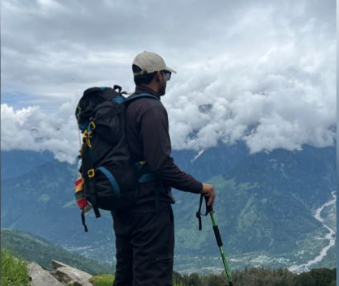

⚡ Quick Expedition Blueprint
- Average Daily Budget: ₹1,200 – ₹1,800 ($15 – $22 USD) covering dorm beds, local thalis, and sleeper class trains.
- Primary Transit Backbone: Indian Railways Sleeper (SL) & 3-Tier AC (3A) trains.
- Recommended Duration: 4 to 8 weeks for a classic North-to-South circuit.
- Top Backpacker Hubs: Rishikesh, Pushkar, Hampi, Varanasi, Varkala, and Dharamkot.
Backpacking across India is arguably one of the most transformative travel experiences on Earth. It is a sensory immersion into kaleidoscopic bazaars, ancient spiritual traditions, snow-crowned Himalayan ridges, and sun-soaked coastal villages. However, navigating the sheer scale of the Indian subcontinent on a shoestring budget can easily overwhelm first-time travelers without a concrete strategy. Misunderstand the train booking mechanics, and you may find yourself stranded at a junction; fail to grasp regional food hygiene protocols, and your journey will be spent in hotel bathrooms.
Having backpacked over 18,000 kilometers across all 28 Indian states over the past eight years, our editorial team has compiled this authoritative, field-tested handbook. Whether you are planning a one-month sabbatical or a multi-month trans-subcontinental odyssey, this blueprint covers realistic daily costs, transit hacks, lodging strategies, and street-smart survival tips to help you travel comfortably on under ₹1,500 ($18 USD) per day.
The Realistic Backpacker Daily Budget Breakdown
India remains one of the world’s most cost-effective travel destinations, but runaway expenses typically occur when travelers rely on last-minute private taxis, tourist-trap restaurants, and unverified mid-range hotels. By anchoring your trip around India's booming hostel culture, sleeper-class rail transit, and authentic regional thalis, you can easily sustain long-term exploration without sacrificing comfort.
| Expense Category | Shoestring Budget (INR) | Comfort Backpacker (INR) | USD Equivalent (Approx) |
|---|---|---|---|
| Hostel Dorm Bed (AC / Fan) | ₹450 – ₹700 | ₹800 – ₹1,200 | $6 – $14 |
| Meals (Street Food & Thalis) | ₹350 – ₹500 | ₹600 – ₹900 | $5 – $11 |
| Transit (Sleeper Class / Metro / Shared Auto) | ₹250 – ₹400 | ₹500 – ₹800 | $3 – $10 |
| Monument Entry & Activities | ₹150 – ₹300 | ₹400 – ₹700 | $2 – $8 |
| Daily Buffer & Bottled Water / Chai | ₹100 – ₹150 | ₹200 – ₹300 | $1.50 – $3.50 |
| Total Estimated Daily Spend | ₹1,300 – ₹2,050 | ₹2,500 – ₹3,900 | $16 – $46 |
Cracking the Indian Railways (IRCTC) System
The Indian Railways is the nervous system of the country, carrying more than 23 million passengers daily across 68,000 kilometers of tracks. For a budget backpacker, trains are not just transportation—they are your moving hotel rooms, slashing accommodation bills while transporting you across state lines overnight.
Understanding Train Classes
- Sleeper Class (SL): Non-air-conditioned open berths with barred windows. This is the authentic heart of Indian train travel. Berths cost between ₹250 and ₹600 for journeys spanning 500 to 1,200 kilometers. Perfect for cooler winter months and spring, though it gets dusty and warm during peak summer.
- 3-Tier AC (3A): Air-conditioned carriages with three tiers of cushioned berths (upper, middle, lower) plus side berths. Clean bed linen, pillows, and blankets are included in the fare. It typically costs roughly triple the Sleeper fare (₹800 – ₹1,800), making it an affordable luxury for long 24-hour transits.
- Chair Car (CC) & 2S: Best suited for daytime journeys under 6 hours on intercity express trains like the Vande Bharat or Shatabdi Express.
Where to Stay: The Indian Hostel Revolution
Gone are the days when budget lodging in India meant grimy railway retiring rooms with flickering tube lights. Over the past decade, a vibrant, design-conscious hostel culture has swept the country. Chains like Zostel, goSTOPS, The Hosteller, and independent eco-hostels offer spotless air-conditioned dorms, high-speed fiber Wi-Fi, community kitchens, co-working spaces, and curated group walks.
When selecting your hostel, consider these factors:
- Location vs. Noise: In bustling pilgrimage hubs like Varanasi, choose stays inside the pedestrianized Old City alleyways near Assi Ghat rather than near the chaotic railway station.
- Social Atmosphere: Look for hostels that organize group sunrise hikes, evening chai circles, or heritage walking tours. These events make it effortless to partner with fellow solo travelers to split taxi fares to outlying monuments.
- Digital Nomad Amenities: If you are remote working while travelling, verify power backup (generator inverter) capabilities, especially in mountain hamlets across Himachal Pradesh and Uttarakhand.
Eating Like a King for ₹400 a Day: Street Food & Thalis
Indian cuisine is globally renowned, and the most flavorful food on the subcontinent is often the cheapest. The quintessential secret to dining safely and affordably is the regional Thali—a round platter featuring unlimited portions of spiced lentils (dal), vegetable curries (sabzi), unleavened flatbreads (roti/chapati), steamed rice, pickles, and crispy papadums.
A wholesome thali in Gujarat, Rajasthan, or Tamil Nadu will rarely cost more than ₹100 to ₹180 ($1.20 to $2.20 USD). To maintain impeccable gut health while eating local, adhere to these four golden rules:
- Follow the Local Crowd: Always patronize street vendors with a continuous line of local families and office workers. Rapid inventory turnover guarantees piping hot, freshly fried food that hasn't sat stagnating in ambient heat.
- Drink Only RO or Sealed Mineral Water: Avoid unfiltered tap water. Carry a reusable insulated water bottle and refill it at reverse-osmosis (RO) purified water stations found at railway platforms and metro stations for ₹5 per liter.
- Embrace Vegetarian Dining: India has the highest percentage of vegetarians in the world. Choosing vegetarian restaurants (marked with a green square symbol) drastically minimizes foodborne illness risks associated with questionable refrigeration of poultry or meat during summer power cuts.
- Indulge in Probiotic Curd: Pair spicy meals with plain dahi (fresh unsweetened yogurt) or spiced chaas (buttermilk), which naturally bolsters digestive flora.
Classic 4-Week Backpacker Routes
Attempting to "see all of India" in one trip is a classic novice blunder that leads to severe travel fatigue. Focus on one or two distinct geographical corridors:
The Golden & Spiritual North (Weeks 1 to 4)
Start in chaotic Old Delhi, exploring Chandni Chowk and Jama Masjid. Board the early morning train to Agra to witness the sunrise over the Taj Mahal, then continue into the desert citadel of Jaipur. From Rajasthan, loop north to the yoga capital of Rishikesh along the Ganges, before boarding the overnight train to ancient Varanasi. Finish your northern loop with a visit to the Golden Temple in Amritsar.
The Tropical Coast & Deccan Heritage (Weeks 1 to 4)
Fly into Mumbai and ride the scenic Konkan Railway south into South Goa for secluded shores like Palolem and Agonda. Cross inland to the boulder-strewn ruins of the Vijayanagara Empire in Hampi. Continue south to the lush tea estates of Munnar and unwind on a traditional canoe cruise along the Kerala Backwaters, concluding on the cliffside beaches of Varkala.
Essential Gear for the Subcontinental Trail
Packing light is critical when navigating crowded train vestibules and narrow auto-rickshaws. Limit your base pack weight to 10 to 12 kilograms:
- Luggage: A 40L to 50L front-loading backpack accompanied by a lightweight 15L daypack for daytime sightseeing.
- Footwear: Breathable, slip-on sandals or lightweight sneakers (you will be removing footwear at every temple, gurdwara, and home).
- Modest Clothing: Lightweight linen trousers, cotton tees, and a lightweight shawl/scarf to cover shoulders and heads when entering religious shrines.
- Security & Tech: TSA-approved wire padlock (essential for securing baggage under sleeper berths), a 20,000mAh power bank, and a universal adapter.
For more detailed personal safety and money security strategies, make sure to read our companion manual on 12 Essential Travel Safety Tips for Backpacking in India.


